Thursday, 28 June 2018

Everything You Need To Know About Concrete Floor Spalling


Paver sealing in Perth

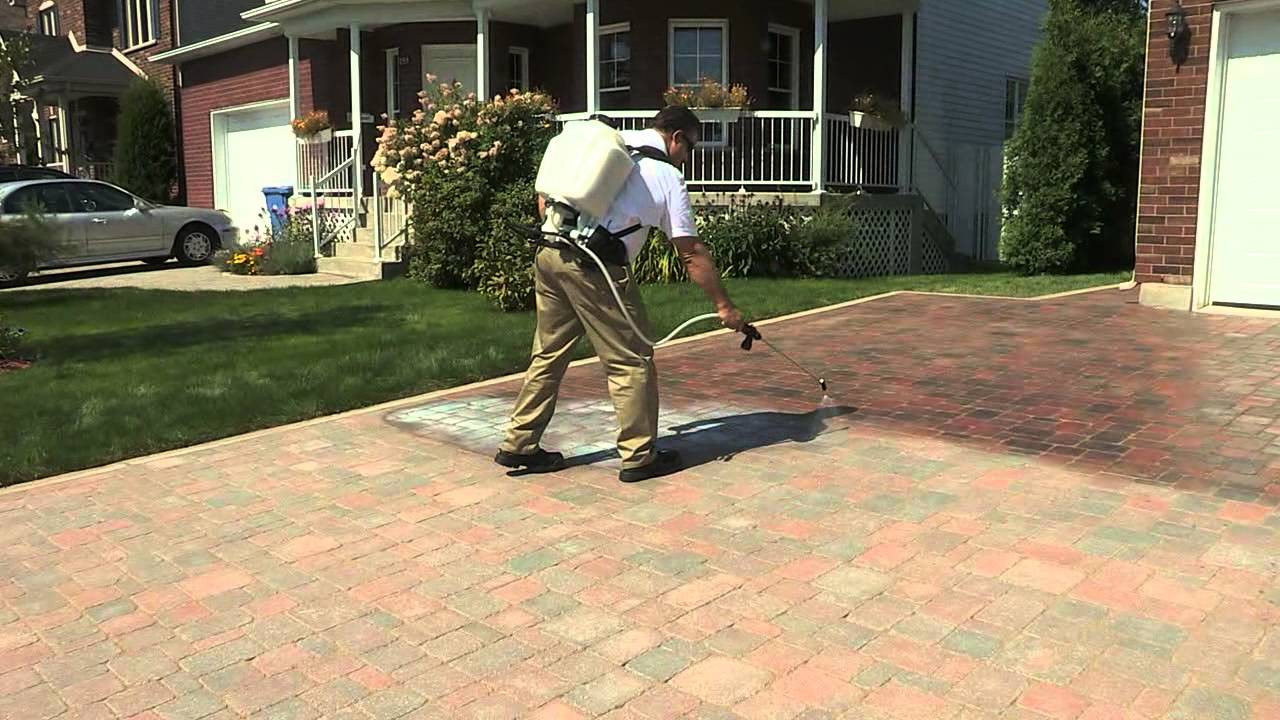
Due to its strength and durability, concrete has been the first choice for constructing massive structures for centuries. However, this strong and durable material is not everlasting. It is prone to some damages such as scaling, spalling and cracking. In this article, you will learn about a concrete floor damage called scaling. Though paver sealing in Perth can prevent your concrete floor from almost all potential damages, sealing concrete floor also protects from ill-effects of the wild weather. Spalling occurs due to loss of the surface of the concrete floor.

Thawing cycle, expansion of water and using deicing chemicals are responsible for this problem. However, properly specified mix, quality material, proper finish and paver sealing in Perth can protect the floor from this type of deterioration.

Concrete and other materials must be properly specified to make sure that the floor can survive in a given environment. A concrete floor in wet conditions is most likely to undergo thawing and freezing cycles. Apart from this, using deicing chemicals also causes scaling. Here is what you should keep in mind: 

  •           The minimum specified compressive strength of the concrete should be 4,000 psi.
  •         There should be an appropriate volume of air.
  •         The minimum cementitious content per cubic yard should be 564.   
  •         The maximum water-cement ratio should be 0.45. 


These are the minimum specification requirements for making a concrete floor that lasts decades.

Sometimes, people buy ready mixed concrete. It is important to make sure that the ready mixed concrete producer complies all the specification requirements. The concrete mixture produced by the producer should be workable. Choosing the right air content for the mixture is a real issue for concrete producers. Though it depends on the coarse aggregate size, the ideal range is 5% to 8%.  

Once the concrete floor is consolidated, the concrete finisher comes into play. The finisher should use the most suitable finishing practices to achieve aesthetically and durable concrete floor.

Following are the recommendations for finishing:
  1.  Arrange Edge, Darby and bullfloat. Make initial grooves before onset of bleeding
  2.  Make sure that excess bleed water is evaporated from the concrete floor surface before you begin floating the surface and make the next pass with grooving tools and edging.      
  3.  Leave the surface for initial stiffening. 
  4. After passing edging, grooving and floating, avoid steel toweling especially during the later stiffening. This will reduce entrained air which promotes scaling.
  5. Additional stiffening should be allowed. 
  6. Use broom for producing the desired texture


Once the final texture is established, curing is important for making the concrete floor durable. Some of the curing methods include:

  •         Curing with fogging, water or sprinkling of absorptive coverings  
  •         Spray
  •         Plastic sheet cover

Before exposing the concrete floor to freezing and thawing cycles, airs dry the floor for at least 30 days. Avoid using deicing chemicals at least for three months. And, the best thing to do for preventing the concrete floor from damages is paver sealing in Perth.

Wednesday, 20 June 2018

How to Paint Concrete Floors like a Pro with these top 5 Essential tips?


Are you planning to paint your concrete floor anytime soon? Great! Concrete painting your floor is a great way to give a stylish look to your floors. Interesting and contemporary geometric patterns give the floors a unique ultra-modern look. These floors give your premises a beautiful look and at the same time protect it from dirt and other residues as they are durable. Nowadays, be it resorts, lavish hotels, exotic spas or countryside cottages you are bound to find concrete floors everywhere. And nothing better than having it at your sweet home too.

Concrete coatings Perth has quickly taken over the place. Almost everybody wants to have concrete coating at their premises. You can find various options for concrete floors in the market as well as on the internet. Choose your favorite ones and incorporate it into your houses. Painting concrete floors can enhance the overall look of the place. You can paint concrete floors on your own too. All you need to do is follow these essentials tips and you are good to go.

    Properly wash the concrete floor

The most important step before painting the concrete floor is to wash it properly. Whether your floor was covered with carpet or it’s was bare concrete, cleaning the floor is mandatory. With the help of a broom and a mop clean and wash the floor. If there are stains on the floor you can use degreaser solution or other solvents depending on the stains. Clean the floor properly for best results. Before painting the floor make sure to dry the floor completely otherwise everything will be vain.

    Fill in the gaps and cracks

If the surface of your floor is rough and patchy then fill in the holes, gaps or cracks with a concrete patch compound mix. Use packaging guidelines to prepare this mixture. Use this mix to fill in the holes or any gaps in the floor. Let the gaps completely dry.

    Sand the concrete floor

Sanding the concrete floors helps in smoothing and preparing the concrete floor for painting. Especially if you have followed the previous step it will evenly dry the cracks, gaps, and holes.

    Use a primer

For best and even finish you can apply masonry specific primers. This will help in evenly spreading the paint. All you need to do is pour a small amount of primer on the floor and then evenly spread it with paint rollers. Apply more coats if you notice discolorations. Let the floor dry completely between the two coats.

    Paint the concrete floor

After the primer is completely dry which will take approx. 1-2 hours. You can paint the concrete floor. Dip the paint roller in the paint and start painting your floor or you can pour the paint on the floor and then spread it with the help of paint rollers. Avoid walking on it before it is completely dried.

Friday, 15 June 2018

Essential Tips to Keep your Pavers Neat and Clean


paver cleaning services
Pavers look very beautiful and elegant but only when you clean them properly. They are not very difficult to maintain. Installing paving stones in lawn, driveways, poolside adds that elegance to the overall look of the place. They look beautiful and are durable as well. If you take proper care of them they can effortlessly add that ‘wow factor’ to the place. Cleaning pavers is essential but it is also necessary to protect them from cement, tire marks, mortar, oxides, and various other elements that can damage its overall look. If you do not clean them from time to time these stains can get permanent overtime.

There are so many products that are available in the market but always making sure to choose a non-acidic product. Other than that you can also opt for paver cleaningservices. These services are value for money as they give you the best results. You can have different type of pavers but neat and clean pavers are always pleasing to the eyes. While cleaning pavers can be a hectic task here are some of the essential tips that you must consider while cleaning pavers.

    Clean pavers with a broom


Sweeping pavers with the help of a broom keeps them clean and tidy as it helps in removing extra debris that may have deposited. Make sure to sweep all the debris and leaves on the paves if it is about to rain. Not cleaning it before the rain may accumulate the debris and stain on the pavers.

    Rinse off pavers with water


After sweeping you will notice that there is still some amount of debris that is left behind.  Rinsing off the paves with water will help in removing a lot of dirt and debris. Pressure washing is really helpful if there is moss due to stagnant water.

    Cleaning Solutions


Sometimes the stain on the pavers can be very tough to remove. These stains are very stubborn and cannot be removed by cleaning with the broom and water. This is why you need a cleaning solution as it can help you to get rid of those stubborn marks. You can either purchase a cleaning solution from the market or DIY your own solution. All you need is water and add some amount of liquid soap to it. Dip a sponge in this solution and apply some elbow grease as well to remove the stains.

    Use paver sealer


Your paving stones can look new and beautiful by applying sealers to it. This top coat is specially made for pavers to prevent stain and dirt. These help in maintaining your pavers and give a shine to it. You can apply sealers once in a year. After coating your pavers with sealer it will not require a lot of maintenance. You can only wash it with water and get perfect results.

    Change your pavers


The ultimate benefit of having pavers is that you can replace the damaged paver without having to replace the other ones. If one of your pavers is stained or damaged you can replace it with the new one. Installing a new paver is not difficult it will hardly take an hour or so.

Monday, 4 June 2018

Concrete Painting Failure: 5 Things you’re forgetting to do

     
Concrete Paintings Perth

Concrete painting is an excellent way to give an outstanding look to the concrete slabs while at the same time protect it from the damage. Whether it is your fence wall or the garage concrete slab a colorful coat of paint might be the best option to enhance its look.  While a drywall would require just a day or two, a concrete painting needs a week time or so for completion. But need to worry it is as exciting as many of you would think.

Unpainted outdoor walls not only look unpleasing and unattractive but at the same time, they are prone to dirt and residue deposits. While indoor concrete pores may also have dirt, unwanted residues of oil and grease. Paints can be a great option to avoid all this and at the same time it looks captivating and catchy, but you have to make sure that the concrete is properly prepared before painting. So, let us discuss some of the things that you must keep in mind while concrete painting.

  • Clean the Concrete

Cleaning the concrete is the most important step before you start painting. The porous surface of the concrete has dirt, oil, grease and other residue deposits in it. Remove this dirt using a cloth and other cleaners. Make sure the surface is completely clean before you start any further. This also includes getting rid and stripping off the previous paint remnants.

  • Passive Time to Cure

Ideally, you’d want to paint the concrete slab as soon as it is ready so that there are no chances of depositing dirt and other residues. But, let the concrete passively rest for at least four weeks as soon as it is finished. The new concrete slab has moisture that must be dried out for at least four weeks before successfully painting it. Untimely, painting will only cause cracks and blisters on the concrete and make it look hideous.

  • Moderate Temperature for Painting

Temperature really matters in case you’re concrete painting in Perth. Ideally, a temperate weather is the most favorable condition for painting. If the mercury drops below 41 degrees Fahrenheit or rises above 91, the paint will not stick to the concrete. If the concrete slab is under direct sunlight it will obviously be warmer than the air temperature so consider that for precision, you can also refer to the paint label for ideal application temperature for best results. Make sure to avoid painting in case it’s too hot or too cold.

  • Correct Paint

For unbeatable outcomes, opt for a paint that is specifically formulated and designed for concrete painting rather than wall paints. The specific formulation in concrete paints helps in bonding below the concrete surface. And at the same time, a garage or floor surface paints contain additives that can withstand smearing and scrapping of vehicular and foot movements. These paints are composed to hold up spillage, rubbing and routine cleaning. When applied to a well-constructed concrete slab a concrete paint is unlikely to flunk before time.

Tuesday, 8 May 2018

The Three Causes of Cracks on a Concrete Floor


That small crack on the concrete floor, it was not there last week. That small has marked the beginning of further concert floor damage. This small crack will be followed by more and wider cracks. There is a saying in the Indian subcontinent – kill the snake before it inflates its hood. So, before this small crack leads to some serious damage, get the repair done now. Simply run your fingers on the keyboard and find a company offering concrete crack repair and concrete sealingin Perth.

Sealing the concrete floor after all cracks repaired is very important as it nullifies the chances of cracks in the near future. Sealing blocks the creation of an environment in which some unwanted reactions take place and trigger concrete floor cracks and other damages. In this article, you will learn about the causes of cracks on a concrete floor.


Causes of Cracks on Concrete Floor     

It’s in the Nature of Concrete

Concrete is poured in liquid form and it hardens into a solid surface. Hairline cracking is expected as it shrinks after installation. Appropriate mixtures and ratios can minimize the chances of cracks. These cracks are inevitable. However, these cracks will not cause further damage if the concrete floor is sealed.

Environmental Changes Can Cause Cracking

Ancient Romans have used concrete in the construction of a wide range of structures due to its compressive strength. However, the tensile strength of concrete is low. It is strong enough to endure heavy loads but not stretching or bending. Concrete is likely to expand if exposed to severe changes in the temperature. So, while constructing any concrete structure, mix and pour concrete in a controlled environment.

Freeze-thaw cycle is one of the primary causes of cracks in winter. However, this cycle damages sidewalks, patios and other outdoor concrete surfaces as these are surfaces exposed to different temperatures at day and night. Therefore, construct the concrete floor in a controlled environment and never delay concrete sealing in Perth.

Foundation Issues Can Also Cause Cracking

Unusual pressure underneath the foundation of the concrete floor also triggers cracking on the surface of the concrete floor. After a heavy storm, sometimes soil swells with water. This exerts an upward pressure against the foundation which creates more tensile strength. The foundation can’t handle this tensile strength and cracks begin to appear on the surface. Deep and large roots of trees can also damage the foundation of the concrete floor.


Concrete sealing in Perth can provide protection from some of the causes of cracks. However, properly prepared foundation, appropriate mixture, and controlled construction are important.    

Tuesday, 10 April 2018

How to Control and Clean Weed on Paving without Using Toxic Herbicides?


Your beautiful paving has started looking unsightly due to weed. Weeds are really annoying. It is pretty easy to control weeds with herbicides. However, there are a lot of gardeners and homeowners who avoid using herbicides. There is a genuine reason behind saying no to these toxic substances when it comes to paving cleaning in Perth or anywhere else. 

People around the globe are looking for and switching to non-chemical alternatives to chemical-based herbicides. There are bodies working against the use of herbicides in order to minimize pesticide residues in water. Some governments are phasing out the use of these toxic substances on public pavements.

Here are some Eco-friendly guidelines for maintaining and cleaning a paving:

Controlling Persisted Weeds

Pavers are made from different materials. A material that is porous in nature allows drainage of water from the surface. This prevents the growth of weeds. A porous material is ideal if you want to minimize the chances of weeds. Leave almost no gap between pavers. Even if the material is porous, these gaps between pavers are enough for the growth of weeds. You cannot fill these gaps with any random material. Sand enriched with sodium silicate effectively prevents the growth of weeds. There should be no dust and dirt. 

Forget-Me-Nots and Pick Pot Plants 

Sea sand is less expensive and less effective. However, still, it is better than the ordinary sand. There are some chances of growth of weeds. So, how to get rid of weeds? With hot water, only fewer treatments are required to maintain a tolerable weed-free state.     

Mulch

You can make use of a kettle and hot water to get rid of weeds. However, don’t forget to wear footwear and gloves for your protection. There are some other methods for controlling the growth of specific species. When you are choosing a specific method for specific weed, it might not work for other weeds. So, settle on different treatments occasionally. This will prevent the growth of most of the species of weeds.

Waging a War against Weeds

Even when you utilize almost all treatments in order to prevent the growth of all species of weeds, still weed grows. Still, you have to go for paving cleaning in Perth. You want to keep your paving in the best shape. Cleanliness is important. So, when you consider methods for controlling different types of weeds, also consider different methods for cleaning paving.
When your paving looks unsightly due to the growth of weed, look for a team providing expert paving cleaning in Perth.

Wednesday, 4 April 2018

Concrete Floor Damage– Mechanical Damage, Chemical Damage, Physical Damage


Looking for concrete coatings in Perth is really a good thing to do. The concrete floor of your garage, workplace or house is subjected to a lot of factors that can cause serious and permanent damage. Concrete, it is a tough material. That is why it is used in almost all types of construction works. However, environment, season, traffic and other factors are also very hard-hitting. So, considering different options for the protection of concrete floor is necessary. A concretecoating in Perth is the most recommended method for superior protection of the floor. According to experts, the concrete coating is the best preventive measure for the floor.

However, in this article, we are going to discuss following types of concrete damages:

Physical Damage
Mechanical Damage
Chemical Damage
Physical Damage

Physical damage to a concrete floor is caused in a lot of ways. One of the major causes of physical damage is freeze-thaw action.

Freeze-thaw action:

Over-saturation leads to deterioration. 90% of the pores of the concrete floor are filled with water. The problem occurs in winter when the water in these pores freezes. Once the water is frozen, it is expanded by 9% to 10%. However, there is no room in these pores and cracks for this expanded frozen water. This leads to stress on the concrete. Ice melts during the daytime and again freezes at night. And, the cycle continues and it damages the floor. Abrasion, wear, and erosion also cause various physical damages. How can we prevent this? Apply concrete coating. It’s that simple. So, look for top-rated concrete coatings in Perth.    

Mechanical Damage

There are several mechanical factors that can cause temporary and permanent damages to the concrete floor. The majority of mechanical damages are caused due to overloading.
First of all, concrete should be handled correctly. Calculate the total load you are going to put on the concrete floor. Consider the size and shape of the floor. Estimate the strength of concrete. Apart from overloading and handling concrete incorrectly, vibrations can also result in cracks. Vibration is usually caused by movement of heavy equipment and heavy vehicles.

 Chemical Damage

Chemical reactions within the mix can cause a wide range of chemical damages. Alkali-aggregate reaction is the most common chemical reaction that takes place. The concrete starts expanding due to these chemical reactions. The concrete starts cracking from inside due to internal tensile forces. The stress generated by these chemical reactions applies these internal tensile forces. Apart from chemical reactions taking place inside the concrete, the surface of the concrete floor is also exposed to chemicals. Chemical reactions on the surface of the floor can be prevented by applying a concrete coating.